California Combating Auto Retail Scams (CARS) Act
Landmark first-in-the-nation law takes effect October 1
FAQs and Tips for California car buyers from
Consumers for Auto Reliability and Safety (CARS), non-profit consumer organization that led the coalition in support of the CARS Act
Disclaimer: The information provided here is not intended as legal advice, and is not a substitute for getting legal counsel to advise you based upon all relevant facts, and all applicable regulations and laws.
At a time when the prices for new and used vehicles have reached record-breaking highs, due to President Trump's hiking tariffs on auto components, common car dealer scams, and other factors, the California Combating Auto Retail Scams (CARS) Act (SB 766) will make buying new and used cars in California more affordable and less risky – without costing taxpayers.
Leading economists project that the CARS Act's truth-in-pricing mandate and new protections against worthless add-ons will save California car buyers an estimated $234 million annually in reduced search costs, plus another 8.5 million hours in time savings each year.
In addition to those savings, the California CARS Act also creates a new, history-making first-in-the-nation 3-day cooling off period for used cars that cost $50,000 or less, freeing used car buyers to return vehicles for any reason for a full refund, minus a restocking fee between $200 – $600.
This new right will empower used car buyers in negotiating with car dealers, and help consumers, including rideshare drivers and many small businesses, avoid getting stuck with unfair deals or unsafe, defective cars. It will also help give dealers who don't scam their customers a competitive advantage.
The Act is aimed at protecting California new and used car buyers from the #1 source of consumer complaints nationwide: auto sales and service. According to the Consumer Federation of America annual consumer complaint survey, auto sales, manufacturing issues, and service complaints have topped the charts of the top ten consumer complaints to state and local consumer protection agencies for the past ten years.
Key provisions in the CARS Act:
- Requires car dealers to disclose the "total price" up front and in advertising, including any add-on items installed by the manufacturer, making the actual "off the lot" prices more honest and transparent, and encouraging competition over prices
- Prohibits car dealers from requiring the purchase of add-on items that were not installed by the manufacturer, in order to buy the new or used car
- Requires dealers to disclose at the time of sale or lease that add-on items not installed by the manufacturer are optional
- Bans car dealers from charging extra for add-ons that "would not benefit" car buyers, including lifetime oil changes or catalytic converter markings for electric vehicles, and service contracts that are void due to pre-existing conditions, such as prior damage from a crash or flood or preexisting mechanical conditions
- Prohibits dealers from advertising or claiming they are affiliated with or endorsed by the U.S. military or any government agency
- Creates a new first-in-the-nation right to return a used vehicle that cost $50,000 or less within 3 calendar days for any reason for a full refund, minus a restocking fee between $200 – $600 (and sometimes other fees)
HOW TO USE CALIFORNIA'S NEW 3-DAY COOLING OFF PERIOD
FOR USED CAR BUYERS
Exciting news for California used car buyers! Starting October 1, you will have an important new right that is the first in the nation, to return a used car for any reason and get a refund, minus a restocking fee. You don't have to explain why you are returning the car, or prove anything, to use your new right.
This means you will have 3 days without being under the pressure car buyers often face at car dealerships, freeing you to drive the car, check out the contract and other paperwork, compare interest rates and prices, scope out the car online, and possibly also get the car inspected by an expert auto technician. Then if you choose, you can return the car for a refund, without a lot of hassles.
But the law is complicated and there's more you need to know, to make the most of California's new car buyer protection law.
TIP: Be sure to check out #19, 20 and #33 below, about steps to take BEFORE you shop for a car, to help avoid killer cars.
Frequently Asked Questions (FAQ's):
1. Who qualifies to use the new 3-day cooling off period for used cars?
All used car buyers or lessors IF the car, truck or SUV you buy or lease:
- Is used, meaning it was previously sold or registered to someone else or is described in the sales or leasing contract as "used"
- Was purchased or leased from a licensed car dealership in California after October 1, 2026 – including if you live out of state, but buy or lease the car from a dealer in California
- Has a total sales price of $50,000 or less
- Weighs less than 10,000 pounds Gross Vehicle Weight Rating (GVWR)
- Was purchased primarily for personal use, or primarily for business use by an individual or business that bought fewer than 5 vehicles that year from the same auto dealership
- Is returned in the same condition as when you bought it, except for "reasonable wear and tear" and defects or mechanical problems in the car when you bought it, and that you did not cause (for example, if the "check engine" light comes on because there was a problem with the emissions system that showed up when you drove the car enough for the error codes to transmit information about the problem)
- Was driven 400 miles or less before you returned it to the dealership
2. What vehicles are NOT covered by the 3-day cooling off period?
- New vehicles, including cars, trucks, and SUVs
- Off-road vehicles
- Motorcycles
- Private sales between individual vehicle owners
- Used cars sold at an auction
- Vehicles that weigh more than 10,000 pounds Gross Vehicle Weight Rating
- Vehicles purchased by a person, including a small business owner, who buys or leases 5 or more vehicles that year, from the same auto dealer
- Vehicles purchased from a car dealership located out-of-state
- Vehicles purchased or leased before October 1, 2026
3. When do I have to return the used car?
- You have up to 3 calendar days, starting the day after you bought the car, until the close of business on the 3rd day.
- Exception: If the dealership is closed on the 3rd calendar day, you have until the close of business on the day the dealer re-opens to the public to return the car.
TIP: The dealer is required to give you a written disclosure when you buy or lease a used car that tells you when you have to return it, to use the 3-day cooling off period. Be sure to read that disclosure carefully and plan ahead so you can return the car on time.
The CARS Act requires dealers to provide that written disclosure in English, Spanish, Chinese, Vietnamese, or Tagalog if the deal was negotiated in one of those languages.
4. Can someone else return the car for me?
- No. If you bought or leased the car, then you have to return the car "personally," yourself.
CARS recommends: Make a plan in advance. You may need to arrange for time off from work during the hours the dealership is open, and for transportation after you return the car. If you're not sure whether you can return the vehicle during the 3-day period, don't count on being able to use the cooling-off period, when you buy or lease the car.
5. Is there a limit on how many miles I can drive before returning the car?
- Yes. The limit is 400 miles.
Exception: Some dealers may offer return policies with more miles. To be sure how far you can drive the car, read the written disclosure that dealers are required to provide you when you buy the car.
6. Can the dealership charge for some of the miles that I drive the car?
- Dealers are NOT allowed to charge you for the first 250 miles.
- If you drive between 250 miles and 400 miles, the dealer can charge $1 per mile for every mile over 250 miles, up to a maximum of $150, deductible from your refund. Dealers are allowed to charge the mileage fee, if any, in addition to charging a restocking fee.
7. Can the dealer charge a "restocking fee" if I return the car?
Yes, car dealers are allowed to charge a restocking fee, but the CARS Act limits how much they can charge.
8. How much are dealers allowed to charge for the restocking fee?
- No more than 1.5% of the purchase price of the car
- A minimum of $200
- No more than $600
9. Restocking Fee Chart
Maximum amount dealer can charge for restocking fee, depending on the sale price of the used car you bought:
| Vehicle Price |
Restocking Fee Cap |
| $5,000 |
$200 |
| $10,000 |
$200 |
| $20,000 |
$300 |
| $30,000 |
$450 |
| $40,000 |
$600 |
| $50,000 |
$600 |
|
* Dealers are prohibited from charging you more for the restocking fee.
* Dealers can charge you less, or nothing, if they choose.
|
Exception: Online dealers like Carvana may charge a "shipping fee" instead of the restocking fee. The amount of the shipping fee must be the actual cost for shipping. If the dealer charged you more for shipping than the allowable restocking fee, and if you choose to return the vehicle, the dealer must refund you the difference between what it charged you for the shipping fee and the allowable restocking fee.
10. What other charges should I be prepared to pay if I return the car, if they apply?
- Towing the vehicle back to the dealership if the car breaks down or is unsafe to drive. You may be able to recover the cost of towing from the dealership, depending on many factors.
- The amount of any negative equity, if the dealer gave you less for your traded-in vehicle than the amount you owed the lender.
- The difference between the restocking fee and the amount of the refund, if the refund is less than the restocking fee.
11. If I return the car, what should I expect to get from the dealer?
The dealer must give you a written receipt when you return the car, showing the date and time, and a list of any deductions from your refund.
Note: The CARS Act prohibits the dealer from doing "Anything to impede a buyer or lessee from exercising the right to cancel the purchase or lease of a vehicle" that is eligible to be returned.
12. Can the dealer require me to pay the restocking fee before I get a refund?
- Usually no. Dealers are not allowed to charge you a restocking fee up front, before you get a refund. If they charge a restocking fee, they have to deduct it from the amount of your refund, to make it more affordable for people who don't have cash on hand.
- Exception: If the restocking fee is more than the refund, the dealer may require you to pay the difference up front in order to return the vehicle.
13. How soon should I expect to get a refund?
- No later than 48 hours after you return the car. Car dealers are required to provide a refund for the full purchase price, minus any deductions for the restocking fee and / or mileage, or outstanding amounts owed for the traded-in vehicle, within 48 hours.
- Exception: If you paid with a check or other form of payment that cannot be immediately verified, the dealer may delay providing a refund until two business days after the payment is verified. The dealer must provide you with documentation, such as a notice from their bank, showing when the payment was verified.
- Some dealers choose to offer return policies with longer time periods or more mileage. The CARS Act allows dealers to offer policies that "provide greater consumer protections" than the Act requires. But they still have to comply with the rest of the new law, including regarding how soon they must refund your money, and other provisions.
CAUTION: The law does not specify how car dealers must provide the refund, or whether it can be picked up at the dealership or mailed to you.
The law does prohibit dealers from "withhold[ing] the buyer's or lessee's downpayment or trade-in vehicle after the right to cancel has been exercised."
CARS recommends that you arrange to pick up the refund, if possible, particularly if you need that money to buy another car right away. Keep in mind that there may be a delay before a refund check clears and is credited to your account. Check with your credit union or other banking institution for details.
14. What else do I need to do, to use the cooling off period?
Make sure the car is in the same condition as when you bought it, except for "reasonable wear and tear" and "any defect or mechanical problem" that existed in the car when you bought it.
CARS recommends: Take photos of the car when you buy it, including the exterior and interior, and the odometer reading, so you can show what condition it was in at that time, and how many miles are on the odometer, in case you decide to return it.
If you decide to return the vehicle, take more photos that show the date and time when you arrived at the dealership to return the car, the condition of the interior and exterior, and what the odometer reading was at that time. Then you will have proof that you drove the car less than 400 miles.
Note: The CARS Act prohibits dealers from "claiming damage to the vehicle in excess of reasonable wear and tear without reasonable basis," or claiming "the person authorized to return the buyer's or lessee's downpayment or trade-in vehicle is not available."
15. What if the car needs to be towed back to the dealership?
The CARS Act prohibits dealers from refusing to provide a refund for vehicles that have major problems and need to be towed back to the dealership if the reason the car had to be towed is due to "any defect or mechanical problem that manifests or becomes evident," and that you did not cause.
Tip: Millions of vehicle owners belong to the American Automobile Association (AAA), a non-profit which provides various free or discounted towing services for members and also provides other services that are not free, such as battery replacements. Some AAA clubs also offer basic DMV services, including vehicle registrations, license plates, and title transfers.
16. I traded in a vehicle when I bought the used car. Does the dealer have to give me back my traded-in vehicle and all keys that I gave the dealer?
In general, the dealer must return your traded-in vehicle and the keys – but there's a major exception, so you may not get your trade-in back.
Exception: If the dealer sold your traded-in vehicle or "initiated the process to transfer the title" of the trade-in.
If the dealer does not give you back your traded-in vehicle, the dealer has to pay you one of these three amounts, whichever is the MOST:
- The agreed-upon value of the trade-in vehicle in the sales or lease agreement
- The amount the dealer charged the next owner for your traded-in vehicle, and the dealer must give you written proof of the sale amount
- The fair market value of the trade-in vehicle, as determined by a nationally recognized pricing guide chosen by the dealer, such as Kelly Blue Book.
CARS recommends: If you need to get your traded-in vehicle back, insist when you buy or lease a car that the dealer agree in writing that you will get back your trade-in (and keys) in the same condition and without any delay, if you use your right to return the car. If the dealer refuses to guarantee in writing that you will get your trade-in back, in the same condition as when you left it at the dealership, you are free to take your business somewhere else.
Tip: According to lobbyists for the California New Car Dealers Association, most franchised car dealers and other dealerships with a showroom and car lot do not sell traded-in vehicles right away and can easily store trade-ins on their lots for at least several days. However, online auto retailers such as Carvana argued against being required to return trade-ins, because they said they need to move those cars immediately.
Tip: Before trading in your vehicle, take a close look at the price the dealer is offering for your vehicle. Compare the dealer's offer with the Kelly Blue Book or Edmunds price to help find out if the dealer is making a fair offer.
Tip: If the dealer claims it has sold your traded-in vehicle, and you want it back, check the dealer's website to see if your trade-in vehicle is listed for sale, and the asking price. If it is listed, then you will know that the dealer has probably not sold your trade-in vehicle yet. If you borrowed from a lender to pay for your trade-in vehicle, and still owed more payments when you traded it to the dealer, check with the lender to find out whether the dealer has paid off the loan. That also means the dealer probably still has your trade-in, and should return it to you.
17. CONSUMER ALERT!!!
Don't get trapped in a bad deal by "negative equity" owed for a trade-in vehicle
If you trade in a vehicle before you pay off the full amount of the loan, and the dealer gives you less for your traded-in vehicle than the amount you still owe, you may not be able to use the cooling off period.
The difference between what you owe and how much the dealer credits you for your trade-in vehicle is called "negative equity" or being "upside down" in a car loan. For example, if you still owe $6,000 and the dealer pays you only $4,000 for your trade-in, you have $2,000 in negative equity. That amount is then rolled over into your new loan, adding even more debt. For example, if you buy another car for $10,000, the loan will be for $12,000, plus interest and other costs.
Under the CARS Act, dealers can require you to pay them the amount you still owed your lender, minus the amount they agreed to pay you for your trade-in, before giving you a refund for a newly purchased used car. So unless you have that amount ready to pay in cash, you may not be able to use the cooling off period to get a refund.
CARS recommends that if you can wait to buy another car, it's wise to keep your current car and continue to make payments until the loan is all paid off and you have clear title to the car.
Another option: Shop around for a dealer who agrees in writing to keep your traded-in vehicle (with keys) for at least 3 days, and return it to you in the same condition – without driving it or making any repairs or other changes – if you return the car you just bought, during the 3-day cooling-off period.
18. Why is it important to see the actual title to the car, before buying a used car?
Many dealers sell used cars they don't actually own. Car dealers often buy used cars from people who still owe their lender for the remainder of their car loan, known as being "upside down" or having "negative equity." If the entire loan has not been paid, the former owner's lender still has a lien on that car. That means that lender may repossess the car from you – even if you paid cash to buy it, or make all the payments to your lender in full and on time.
This is a serious risk. Some victims of unpaid liens have lost their jobs when their vehicles were repossessed, without warning, by the former owner's lender. Some dealers have sold vehicles with unpaid liens to hundreds of used car buyers, then went out of business, leaving their victims in the lurch with huge loans to pay and no car. This problem is worst during economic downturns, but even in good economic times it's a persistent problem.
You may also have difficulty registering the car if there is an unpaid lien held by the former owner's lender. If you cannot get the car properly registered, you are subject to being pulled over by the police and ticketed, fined, and having your newly purchased car towed away and impounded. Not only is it expensive to pay impound fees, but you may not be able to get your car out of the impound lot at all, if you are not the registered owner.
19. What other steps should I take BEFORE I shop for a car?
Before you shop for a car:
- Research car models for safety, reliability and other features based on data provided by Consumer Reports, available by prescription and also often available for free at libraries.
- LIFESAVING TIP: Get the Vehicle Identification Number (VIN) for any car you are thinking about buying, and check for unrepaired safety recalls that could kill you and other people. If it has an unrepaired safety recall, refuse to buy it. See #20 for more details.
- Super important, for used car buyers: Arrange an appointment with a trustworthy expert auto technician / body shop to inspect the used car you buy, in time for you to return the car during the 3-day period, with less than 400 miles added to the odometer.
A typical car inspection costs approximately $150 - $200 and should include downloading the diagnostic error codes, evaluating the condition of the car and tires, putting the car up on a lift and looking for signs of prior damage from a crash or flood, checking the battery life on an electric vehicle or hybrid, checking for counterfeit or missing airbags, and checking for unrepaired safety recalls.
Today's cars are highly computerized and it takes special scan tools and diagnostics to identify hidden problems that are hazardous or extremely expensive to repair, so it pays to have a professional check out the car. If you can arrange to have the inspection done before you buy, that's even better.
NEVER rely on the dealer's so-called "whatever-point" "inspection" to ensure a car is safe or reliable. Unscrupulous car dealers routinely deceive car buyers about their "inspections," giving the false impression you don't need to get your own inspection. But millions of vehicles with potentially deadly safety defects have passed car dealers' bogus, deceptive "inspections."
Warning: Some vehicle owners have been killed by deadly replacement airbags in vehicles that had airbags which deployed in a crash or were stolen.
A popular place to find reviews of auto mechanics and body shops: Car Talk's Mechanic's Files.
- Join a reputable credit union that offers competitive rates for car loans. Credit unions are non-profits, and most credit unions offer better rates than other lenders. If you have credit problems, and don't need to buy a car right away, take advantage of credit counseling services that can help you improve your credit before you buy. Many credit unions offer free financial counseling to their members. Improving your credit score before you buy can save you hundreds or thousands of dollars.
- Save up and pay in cash or get pre-approved for a loan, so you know how much you can afford to spend and what interest rate you qualify to get.
- Join the American Automobile Association, a non-profit that offers various towing services and other services for vehicle owners.
- If you may want to trade in your current car, check a car pricing guide such as Kelly Blue Book or Edmunds to find out how much it is worth, taking the mileage, condition, and where you live into account. Car pricing guides are also available at local libraries.
- A popular place to find reviews of auto mechanics: Car Talk's Mechanic's Files.
20. WARNING!!! BEWARE OF USED CARS WITH UNREPAIRED SAFETY RECALL DEFECTS
21. Why is it so important to check for safety recalls?
Safety recall defects can kill you, your family, and other innocent people.
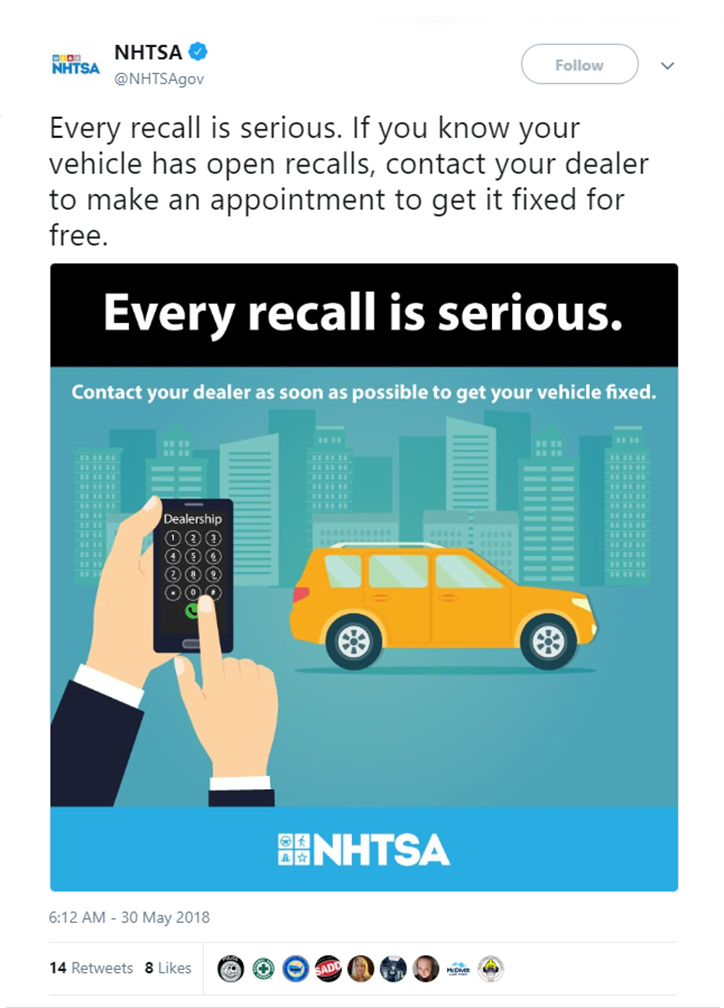
- According to the National Highway Traffic Safety Administration, the nation's top auto safety agency, "ALL safety recalls are serious."
- If the vehicle has an unrepaired safety recall defect (or multiple recall defects), it is unsafe. Do NOT buy the car. Insist on a car that is safe and free from killer safety recall defects.
You could be killed before you even get a chance to get the recall defect repaired. In one tragic incident in San Diego, a CHP officer and his wife, their 13-year-old daughter, and his brother-in-law were all killed within hours on the same day a local car dealership handed him the keys to a Lexus with a defect that caused it to speed out of control. They were on their way to a soccer match when the defect happened and tragedy struck, killing all four family members at once (NBC San Diego news report).
That horrific crash led to a massive safety recall involving millions of vehicles that eventually were found to have defects including faulty transmissions or sticking accelerator pedals.
CARS recommends: Check for unrepaired safety recall defects BEFORE you buy or lease a vehicle, and refuse to buy vehicles with unrepaired safety recalls.
Exception: A very small percentage of vehicles that are recalled due to safety issues are recalled because there is a warning sticker that is missing, or the information in the owner's manual about safety issues is wrong, or there are similar problems that do not mean the car itself is defective. If the car is being recalled because of issues that do not affect the safety of the car, then it may be sensible to buy the car, but to also insist on getting the warning sticker or corrections, and placing the stickers or corrections where they belong, usually on the dashboard or sun visor, or in the owner's manual.
Warning stickers are important for alerting parents and other caregivers how to avoid endangering babies and infants from being killed by an inflating airbag, in the event of a crash. A couple examples of warning sticker recalls: Ford missing warning stickers recall and Jeep missing airbag labels recall.
Accurate information in owner's manuals is important for informing vehicle owners about safety systems and components. A couple examples of recalls due to incorrect or missing information in owner's manuals: Ford missing owner's manual info and Audi wrong tire pressure information in manual.
TIP: Check online for reports about recalls involving the make, model, and year of the car, and download any warning stickers or corrections to the owner's manual and affix them where they belong.
22. How common is it for car dealers to sell vehicles with unrepaired safety recall defects?
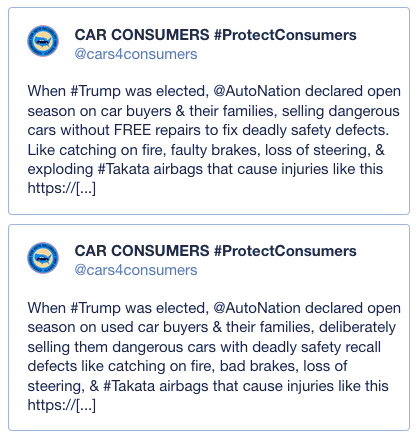
It's shocking, but car dealers routinely sell millions of used cars that were recalled by the auto manufacturer because they have life-threatening safety defects such as:
- catching on fire, even when parked
- bad brakes
- loss of steering
- wheels that fall off
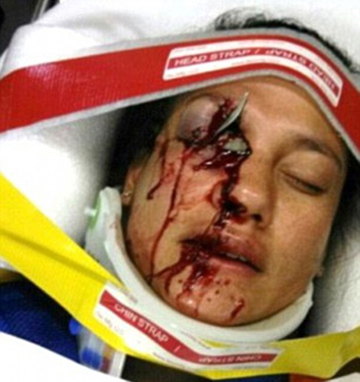
- ticking time bomb airbags that cause blindness or bleeding to death
- sticking accelerator pedals
- stalling in traffic
- seat belts that fail to work in a crash
- backup cameras that malfunction
- other obviously life-threatening safety defects.
An NBC Bay Area investigation checks nearly 1,000 cars and finds hundreds of recalled cars for sale on car dealership lots.
Car dealers even sell vehicles with defects that are so dangerous the manufacturer has issued a "DO NOT DRIVE" warning, or a warning that says "DO NOT PARK" the car near a home, office, or other building because it may burst into flames.
23. Can you trust car dealers to tell you how unsafe a recalled car is?
No. Unfortunately, you cannot trust the dealer to tell you the truth about how unsafe the car is. Many dealers downplay the risks, to make a quick sale.
When car buyers or their passengers or others who share the roads are injured or killed by an unrepaired safety recall, and they or their surviving family attempt to fight back in court, the dealers try to shift the blame onto them. Dealers also impose rigged, forced arbitration to keep victims from being able to hold them accountable in a court of law.
24. How can you check whether a car has unrepaired safety recall defects?
Get the Vehicle Identification Number (VIN) and check whether the car was recalled by the manufacturer due to a safety defect. It may even have multiple safety defects. The best time to do this is BEFORE you agree to buy the car.
The VIN is 17 digits and is a unique identifier for that specific vehicle, like its fingerprint. The VIN can be found on the driver's side of the dashboard, on a sticker on the driver's door jamb, and on the vehicle title.
Here's how to check: Simply enter the VIN at the website for the National Highway Traffic Safety Administration, here: https://www.nhtsa.gov/recalls.
Checking for safety recalls is free and takes only a few minutes and access to the internet.
If you don't have access to the internet, you can also call the manufacturer's toll-free number to ask whether a car with that VIN has an "open" (unrepaired) safety recall defect.
25. Are there more reasons to avoid getting stuck with an unrepaired recalled car?
Yes. Some more reasons include:
- Long delays before repairs are available. Tens of millions of vehicle owners have experienced long delays in obtaining recall repairs, sometimes for months or even more than a year, due to shortages of repair parts, shortages of mechanics to perform recall repairs, and delays caused by manufacturers who failed for a long time to diagnose problems and design fixes.
- Problems with accessing repairs. Most used car buyers are likely to face other barriers to obtaining recall repairs, such as difficulty getting time off from work during the hours when repairs are available, living long distances from the nearest authorized repair facility (which may be hundreds of miles away), not being able to leave your car at the authorized dealership when repairs take several hours or more than a day, and other logistical problems.
- You could be held legally liable. If you don't get the repairs done in time and someone is injured or killed as a result, or if the car catches on fire and destroys homes or other property, you could be held at least partially liable and may even face criminal prosecution for being negligent.
In one tragic case, a young woman in Texas pleaded guilty to negligent homicide when her fiance was killed in a crash caused by a safety defect that General Motors concealed from the public for over a decade. Eventually her conviction was overturned, but it's not worth the risk.
- Potential lack of insurance coverage. Some insurers deny coverage for vehicles with unrepaired safety recall defects. You may believe you are covered, then discover that you are not, after a crash.
- Limited options for loans. Some lenders refuse to issue loans for vehicles with unrepaired safety recall defects.
26. What if the safety recall notice makes it sound like the defect is not really dangerous?
The auto manufacturer's safety recall notice may give the false impression the defect is minor, but it could still kill you. Auto manufacturers often describe defects using language that is very technical and confusing, or fails to accurately reflect the real risks.
For example, many recall notices warn about a "thermal event." This may not sound dangerous. But it means the car may catch on fire and burn you, your family, or other passengers to death. If you park the vehicle in your garage, it may also burn down your home. It could also cause a wildfire. If you do not get it fixed in time, you could be held legally liable for the damage and harm to others.
27. The dealer advertised that the car passed an inspection. Do I still need to check for safety recalls?
YES. Even dealers who advertise that their cars passed an inspection and qualify to be sold as "certified" cars often fail to get safety recall defects fixed first – no matter how dangerous they are.
28. CarMax advertises that all their cars must pass a 125-point inspection to qualify to be sold as "CarMax Certified" cars. Does that mean they are free from deadly safety recall defects?
NO. Don't be fooled. Auto retailing giant CarMax has been exposed over and over again selling recalled used cars that are potential deathtraps. They admit publicly that they sell vehicles with unrepaired safety recalls. Instead of getting the repairs to fix deadly safety recall defects, CarMax merely provides a "disclosure" in an attempt to shift the legal liability onto their customers if people are injured or killed or if property is destroyed, as a result.
A federal judge in California told CarMax's attorney that after she found out how they sell cars, she warned her children "Don't you ever buy a 'certified' car from CarMax."
Many other car dealers make the same claims, cutting corners and rushing vehicles with killer safety recall defects to the market before they are ready to drive safely.
29. What are the laws against selling unrepaired recalled cars?
Federal Laws regarding unrepaired recalled cars:
- It is a violation of federal law for car dealers to sell unrepaired recalled cars when they are "NEW." They can be fined or severely penalized if they violate the law.
- It is also a violation of federal law, the Raechel and Jacqueline Houck Safe Rental Car Act, for rental car companies with fleets of 35 or more vehicles to rent, loan, or sell unrepaired recalled cars that are classified as "USED" because the rental car companies bought them before renting them to the public. (Rental car companies are also licensed car dealers who sell former rental vehicles to the public.)
- The federal Safe Rental Car Act is named for two sisters who were ages 20 and 24 when they were killed by an unrepaired safety recall defect that happened when they were on their way home to Santa Cruz, after visiting their parents and friends in Ojai, California.
- Federal law does not yet specifically prohibit other dealers from selling recalled used cars – a loophole that needs to be closed, so that the National Highway Traffic Safety Administration can crack down on dealers who violate the law, and get them to stop putting lives at risk, without anyone having to suffer damages or be injured or killed.
Even if you can't afford to buy a new car, or simply choose to buy a used vehicle, you still deserve a car that is safe and free from dangerous safety recall defects.
30. California state laws that may apply, regarding unrepaired recalled cars:
Depending on the specifics, it may be a violation of California's state consumer protection laws for a car dealer to sell an unrepaired recalled used car. Some of the laws that may apply include laws against:
- negligence or wrongful death
- violation of common law duty of care
- violation of express warranties and / or the implied warranty of merchantability
- unfair and deceptive acts and practices
- fraud
In addition to other laws that may apply, California has a law that specifically prohibits dealers from selling vehicles that fail to comply with federal motor vehicle safety standards – a common reason for issuing safety recalls.
California Vehicle Code Section 24011:
"Whenever a federal motor vehicle safety standard is established under federal law (49 U.S.C. Sec. 30101 et seq.), no dealer shall sell or offer for sale a vehicle to which the standard is applicable, and no person shall sell or offer for sale for use upon a vehicle an item of equipment to which the standard is applicable, unless:
(a) The vehicle or equipment conforms to the applicable federal standard."
However, that law is rarely enforced, and car dealers frequently sell high volumes of unrepaired recalled vehicles that fail to comply with Federal Motor Vehicle Safety Standards for lights, airbags, seat belts, backup cameras, brakes, and other important safety features.
Some California consumers who bought unrepaired recalled used cars from car dealers fought back under existing state laws and won confidential settlements. But car dealers impose forced arbitration clauses to keep you from being able to pursue justice in court. So don't count on being able to hold the dealer accountable if you or others are severely injured or killed, or if your car catches on fire and destroys homes, offices, and other property.
31. The dealer says it's easy to get the recall repaired. Is that true?
Very often that is FALSE. Recall repairs may not be available for weeks, months, or even years. It is common for auto manufacturers to issue safety recalls, then fail to develop a fix for a long time. Software problems are especially common and difficult and time-consuming to properly diagnose.
Especially when millions of vehicles have the same defect, there are often severe shortages of repair parts, causing long delays. For example, the Takata airbag recall resulted in delays of over a year to obtain repair parts. Meanwhile, hundreds more people were injured or killed.
There's also a huge shortage of qualified automotive technicians who can perform safety recalls, causing long delays even when replacement parts are available.
Some recalls can be performed "over the air" without your having to take the car to a dealership authorized by the auto manufacturer to perform the repairs, but those tend to be the exception.
32. Are auto safety recall repairs free?
Sometimes. It depends on the age of the car, when the recall was first issued, and other factors.
Federal law requires auto manufacturers to provide free repairs for at least 15 years. Sometimes manufacturers opt to cover the cost of repairs for a longer period. But sometimes they refuse to pay for repairs after 15 years.
If the car is outside the 15 years, you may have to pay thousands of dollars out of your own pocket just to make the car safe to drive. Meanwhile, your life will be at risk.
Sometimes manufacturers refuse to cover the cost of repairing safety recall defects unless you first pay out of your own pocket for another expensive repair to a different part.
33. WARNING!!! BEWARE of HAZARDOUS REBUILT WRECKS AND FLOOD CARS
Super important: Arrange an appointment with a trustworthy expert auto technician / body shop to inspect the used car you buy, in time for you to return the car during the 3-day period, with less than 400 miles added to the odometer.
A typical car inspection costs approximately $150 - $200 and should include downloading the diagnostic error codes, evaluating the condition of the car and tires, putting the car up on a lift and looking for signs of prior damage from a crash or flood, checking the battery life on an electric vehicle or hybrid, checking for counterfeit or missing airbags, and checking for unrepaired safety recalls.
Today's cars are highly computerized and it takes special scan tools and diagnostics to identify hidden problems that are hazardous or extremely expensive to repair, so it pays to have a professional check out the car. If you can arrange to have the inspection done before you buy, that's even better.
NEVER rely on the dealer's inspection to tell you what you need to know. Unscrupulous car dealers deceive car buyers about safety inspections, giving the false impression you don't need to get your own inspection. But millions of vehicles with killer safety defects have passed car dealers' bogus "inspections."
A popular place to find reviews of auto mechanics and body shops: Car Talk's Mechanic's Files.
Vehicle history databases such as Carfax, Autocheck, and the National Motor Vehicle Title Information System (NMVTIS) provide different types of data regarding millions of potentially hazardous recalled cars, rebuilt wrecks or stolen vehicles. BUT -- those databases fail to tell the whole story. Auto fraud experts warn that it's very common for them to omit vitally important information and give car buyers a false sense of security that a car is OK when it's actually a ticking time bomb on wheels. DO NOT rely on them as an alternative to getting your own inspection of a vehicle that checks out OK online. But they can be a useful tool for eliminating vehicles that have major problems, without your having to pay to get that particular vehicle inspected.
CARS recommends: Check each of the databases for the information they provide, and avoid vehicles that are reported as: "open" safety recalls, prior wrecks, flood cars, lemon law buybacks, total loss vehicles, junk, salvage, "rebuilt," "reconstructed," or stolen vehicles, vehicles with airbags that deployed or were stolen, or other serious problems. Also check the Vehicle Identification Number (VIN) online, via a search engine. (For example, you may discover photos of it at a salvage auction, after a wreck or flood.) Even if the car checks out OK, still insist on getting your own inspection.
TIP: Other warning signs, or red flags: if the car was sold at an auction, had several owners, or came from a distant state or other country.
TIP: Flood cars are extremely dangerous. The electronic components that control major safety systems are prone to corroding and failing. They may also harbor bacteria, toxic substances, and other bio-hazards that can cause serious health problems, especially for people with allergies, asthma, and other chronic health conditions. Even if you live in a state far away from where the flooding occurred, does not mean you aren't at risk. Flood cars are often shipped from flood zones to where they can command the highest price, and where car buyers are less likely to be on the lookout for flood cars.
34. What else should I check, before I decide whether to keep a car or return it during the cooling off period?
- Read the contract carefully and make sure the prices and other numbers are fair and that you're not being cheated over the terms of the sale or lease.
- Check car pricing resources such as Kelly Blue Book or Edmunds to see whether you were overcharged for the car you bought or leased.
- Also check car pricing resources to see whether you were shortchanged for the vehicle you traded in.
- Check the contract for unwanted add-ons or add-ons that violate the CARS Act's bans on worthless add-ons, such as lifetime oil changes for an electric vehicle.
- If you belong to a credit union, ask a financial manager to look over your contract and advise you about whether the interest rate and other terms of any loan are fair, or whether you could get a much better rate if you cancel the sale and change lenders.
- If the dealer sold you "GAP" (Guaranteed Asset Protection), ask your own insurance company if they offer GAP for a more affordable amount. Typically, car dealers charge between $400 – $1,000 for GAP. But many auto insurers offer the same coverage for approximately $20–$60 per year, and it's easier to cancel the coverage if you sell the car or pay off the loan.
- If you bought an electric vehicle or hybrid with a car battery, check to see how much longer the battery is likely to last, keeping in mind there are many variables, such as the outdoor temperature. Consumer Reports provides tips for used car buyers about how to find out how much longer the battery is likely to last.
- Check for a fake number on the odometer. According to vehicle history provider Carfax, California leads the nation in vehicles that are suspected to have altered odometers – more than 532,200 vehicles. Odometer fraud is increasingly common and can cost you many thousands of dollars. It can also mean that any warranty coverage is void, and cause other headaches.
It is extremely easy for fraudsters to alter the electronic odometers in today's cars. All it takes is a few seconds and a cheap tool available for sale on the internet. A thorough inspection by an auto technician may discover odometer discrepancies. Vehicle history reports such as Carfax can also be useful. But keep in mind no history report tells the whole story and the data may be out of date, so a history report is not a substitute for a professional inspection by a trustworthy auto technician.
35. BEWARE!! CALIFORNIA USED CAR BUYERS HAVE LOST PROTECTIONS AGAINST USED CAR LEMONS
California's auto lemon law no longer covers used cars, even if you buy a car that still has a warranty from the manufacturer. This also includes battery warranties, which can be difficult or impossible to enforce.
This drastic change in the law is due to a decision by the California Supreme Court, Rodriguez vs. Fiat Chrysler of America.
CARS and other consumer groups filed amicus briefs seeking to preserve protections for used car buyers, but the California Supreme Court ruled against consumers, overturning decades of law that allowed used car buyers to use California's landmark auto lemon law to get refunds when unscrupulous auto manufacturers fail to honor their warranties.
Some other laws may apply, but auto manufacturers now argue that any case involving a used car means that you have to pay out of pocket for repairs, even when you already paid extra for a car with a warranty from the manufacturer. Unfortunately, they often win those arguments.
CARS recommends: Do NOT rely on the warranty to protect you from having to pay for major repairs. Instead, check out the car as thoroughly as possible before you buy, and again after purchase, during the 3-day cooling off period. Better to avoid a problem car than risk getting stuck with a used lemon that is unsafe and unreliable, and that costs you thousands out of your own pocket to fix.
36. Were you scammed by an unscrupulous car dealer?
Where to complain:
- California's Attorney General – California's Attorney General has the authority to crack down on illegal activity involving the sale or leasing of motor vehicles. Attorney General Bonta supported passage of the CARS Act.
The Attorney General's office also has a history of pursuing justice on behalf of car buyers who were harmed by illegal auto sales practices, including obtaining over $99 million in refunds for victims of predatory auto lending practices who were harmed by subprime auto lender Santander.
- Your state legislators – they have the power to improve the law, and if they hear from enough of their constituents, may champion more improvements in the future. For example, many states have Used Car Lemon Laws that mandate warranties on used cars based on their price and / or mileage, while California still allows used cars to be sold "AS-IS."
- Your Labor Union – they represent you in Sacramento and also need to know how you are being affected economically by auto scams.
Where to get personal legal advice: From a consumer attorney who specializes in representing people and small businesses that are harmed by car dealers who engage in illegal activities:
National Association of Consumer Advocates (NACA)
37. Want to know more about the CARS Act?
For the exact wording of the entire California Combating Auto Retail Scams (CARS) Act (SB 766, enacted in 2025), please visit:
https://leginfo.legislature.ca.gov/faces/billNavClient.xhtml?bill_id=202520260SB766
Many Californians wrote to the Federal Trade Commission, supporting the FTC's CARS Rule, which was overturned in court over a procedural issue (not the merits).
Sample comments:
"Trying to purchase a new vehicle in the last 3 years has been a stressful experience. I negotiated a price with a dealer on a new 2022 Subaru Outback from Subaru of Ontario in California, and was hit with add ons on the day of signing that I had not consented to, which included VIN etching and door edge guards. Since I needed a vehicle, I had to concede with their demands, even though I tried to negotiate it off, which took me about 9 hours to go through. I was not informed of these changes in the negotiations until the day I had to sign for the purchase."
"This year I've been shopping to buy a new vehicle from Southern California Toyota, Honda, and Nissan Dealers. I've talked to countless different sales people during this time. It is appalling how prevalent and shady the tactics now commonly used by dealers to take advantage of consumers. It didn't used to be like this. Bait and switch, hidden fees, market adjustments, useless dealer installed products, all different kinds of new scams. [...] The dealers have become so corrupt and disreputable that they can no longer be trusted to conduct business without strict new regulations in place."
Industry Comment, Rivian Automotive:
Industry comment from Rivian Automotive:
"Rivian strongly supports this rulemaking as part of efforts to reduce harm to the car-buying public who might be subjected to deceptive pricing and sales tactics. [...] We encourage the FTC to move forward with this rulemaking, while asking the agency to consider a modernized approach that supports the smooth and transparent experience provided by direct-to-consumer sales. In the case of an online sale, a dealer should not be permitted to push additional add-ons to the purchase when the customer arrives at the dealership without undergoing the disclosure requirements outlined in the proposed rule."
"I live in Southern California and what has been happening recently with car dealerships is disgusting. Car dealerships are using the covid pandemic to capitalize on profits, they're charging $20,000 to $40,000 over MSRP due to a chip shortage. New cars are being sold with dealer optional add-ons that are over $10,000 but realistically only cost $500, yes they're lying to you. I hope sometime can be done to help regulate these unethical business practices."
"I have gone to a dealership and negotiated the price of a car with the salesperson. Then when I got back into the finance area to sign the papers.. the price for the car was suddenly higher. They would not drop the extra things they added to the car and it was a scam. It wasted my time and was a lot of pressure to get out of the bad deal. They should not be able to do that to customers."
"I am in the market to buy a new vehicle and it has been the biggest headache I've ever had purchasing a car. The mark ups are insane, the added accessories to most every vehicle is just absurd. [...] It makes me incredibly sad to know that so many uninformed people are getting taken advantage of. We are a military family that sacrifices a lot every day. Please help us protect our hard earned money. And please enforce these regulations. It won't solve the problem of getting taken advantage of. But, it will help."
** Disclaimer **
The information provided here is not intended as legal advice, and is not a substitute for getting legal counsel to advise you based upon all relevant facts, and all applicable regulations and laws.
Other state or federal consumer protection laws may also apply, in addition to the California CARS Act.